Tips & Advice From ARC Rehabilitation & Pilates

“Can Physio Help Parkinson’s Disease? Here’s What We Do at ARC”
Understanding Parkinson’s Disease and Its Impact on Mobility
Parkinson’s disease is a progressive neurological disorder that affects movement and can lead to a variety of complications affecting mobility, including stiffness, balance issues, and gait disturbances. At ARC Rehabilitation & Pilates in Ballina, Co. Mayo, we recognize the profound effect this condition can have on daily life. Our mission is to provide evidence-based physiotherapy solutions that enhance mobility and quality of life for those living with Parkinson’s disease.
What Causes Parkinson’s Disease?
Parkinson’s disease primarily results from the degeneration of dopamine-producing neurons in the substantia nigra part of the brain. This reduction in dopamine causes problems with movement control. Factors contributing to the onset of Parkinson’s may include:
- Genetic predisposition
- Environmental factors, such as exposure to toxins
- Oxidative stress
- Age, with the majority of cases occurring in individuals over 60
How Can Physiotherapy Help Treat Parkinson’s Disease?
Physiotherapy plays a crucial role in managing the symptoms of Parkinson’s disease. Key aspects of our approach at ARC include:
- Movement Training: Our trained physiotherapists work on exercises that promote better coordination, posture, and balance.
- Strengthening Exercises: Patients are guided through tailored strength-building exercises to improve mobility and stability.
- Gait Training: We provide specific therapies aimed at refining walking patterns and minimizing fall risk.
- Flexibility and Stretching: These techniques help alleviate the stiffness that is commonly associated with Parkinson’s.
- Balance Training: Our programmes incorporate balance exercises that help maintain independence and prevent falls.
How Effective Is Physiotherapy for Parkinson’s Disease?
Research supports the efficacy of physiotherapy in managing the symptoms of Parkinson's disease. Studies have shown that regular physiotherapy can:
- Improve motor function and daily living activities
- Enhance overall physical fitness
- Increase emotional well-being and reduce depression
At ARC, our physiotherapy interventions are continuously evaluated and adjusted to ensure we are meeting each patient's unique needs effectively.
What Specific Physiotherapy Techniques Do We Use at ARC?
At ARC Rehabilitation & Pilates, we employ a variety of evidence-based physiotherapy techniques tailored to the needs of our patients with Parkinson's disease:
- Clinical Pilates: This method enhances core strength and flexibility, crucial for maintaining balance.
- Neuromuscular Re-education: This involves retraining the brain and muscles to communicate better and improve coordination.
- Aerobic Training: Activities like walking, cycling, and water-based exercises promote cardiovascular health and mobility.
- Functional Exercises: These improve the ability to perform daily tasks safely and effectively.
- Education and Self-Management: We empower our patients with knowledge about their condition and coping strategies.
Can Physio Prevent Progression of Parkinson’s Disease?
While physiotherapy cannot cure Parkinson’s disease, it can significantly help manage symptoms and improve the quality of life. Regular physiotherapy sessions may slow the progression of motor symptoms and delay the onset of more severe disabilities.
Is Physiotherapy Safe for All Parkinson’s Patients?
Physiotherapy is generally safe for all individuals with Parkinson’s disease, but treatment plans must be customized based on each patient's specific health conditions and symptom severity. At ARC Rehabilitation & Pilates, we conduct a comprehensive assessment before developing an individualized treatment plan.
Frequently Asked Questions (FAQ)
1. How often should I attend physiotherapy for Parkinson's disease?
The frequency of sessions depends on individual needs; typically, 1-2 sessions per week are recommended to achieve optimal results.
2. Will I feel sore after physiotherapy?
Some muscle soreness may occur after exercising, but it is a normal part of increasing strength and mobility. Our therapists will guide you in avoiding excessive discomfort.
3. Can physiotherapy help with non-motor symptoms of Parkinson’s?
Yes, physiotherapy can also assist in managing non-motor symptoms like depression and anxiety through physical activity and education.
4. What should I wear to my physiotherapy sessions?
Comfortable, loose-fitting clothes and supportive footwear are recommended to facilitate movement during sessions.
5. How do I book a physiotherapy appointment at ARC?
You can easily book your appointment online through our booking link: Book Now.
Conclusion
At ARC Rehabilitation & Pilates in Ballina, Co. Mayo, we are dedicated to providing comprehensive physiotherapy services tailored specifically for individuals with Parkinson’s disease. Our multidisciplinary approach focuses on improving mobility, enhancing independence, and fostering a better quality of life. If you are looking for supportive and effective care, don’t hesitate to book an appointment with us today.

Ask ARC Rehabilitation & Pilates And Their Team
Fill in the form to request a call from our team. One of our team members will call you for FREE and answer any questions or concerns you may have about your condition
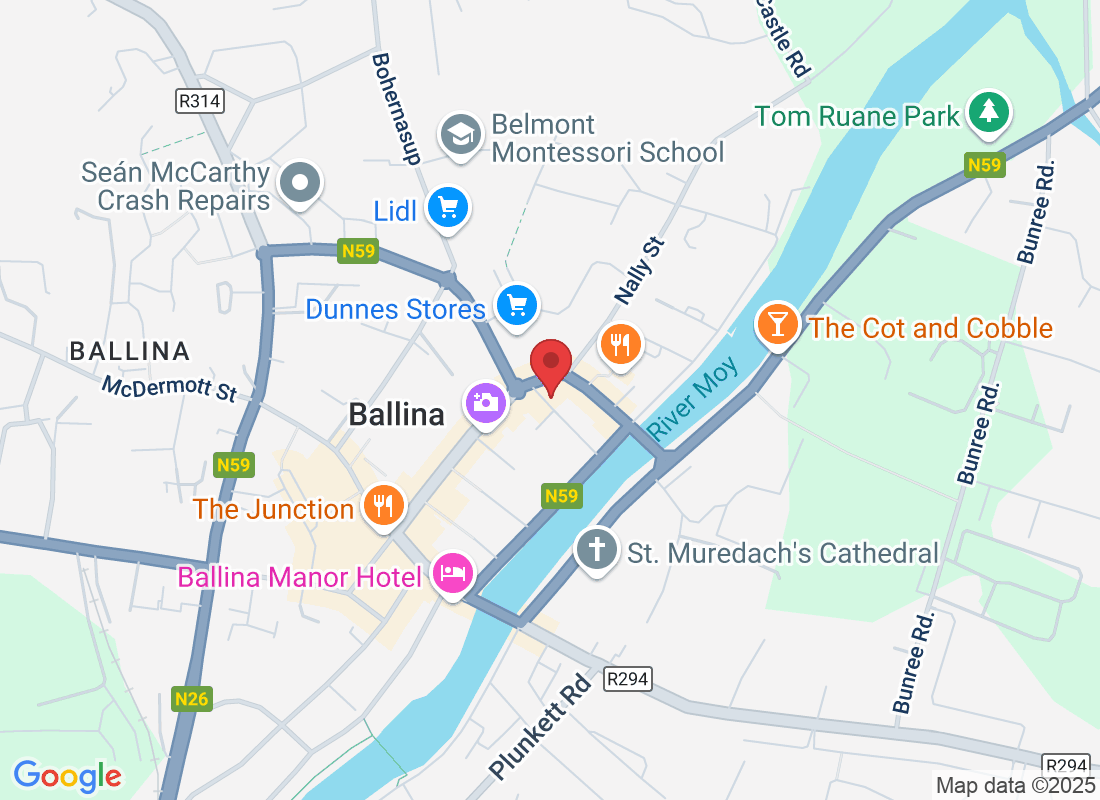
Where To Find ARC Rehabilitation & Pilates
If you have any questions before scheduling an appointment or for general inquiries, please use the contact us button below. Our team will promptly reach out to assist you.
Opening Hours
Monday: 9:30am – 8:00pm
Tuesday: 9:30am – 8:00pm
Wednesday: 9:30am – 8:00pm
Thursday: 9:30am – 8:00pm
Friday: 9:30am – 1:00pm
Saturday: Closed
Sunday: Closed