Tips & Advice From ARC Rehabilitation & Pilates
Shoulder Strength Tests You Can Try at Home — Ballina Physio Approved
Introduction
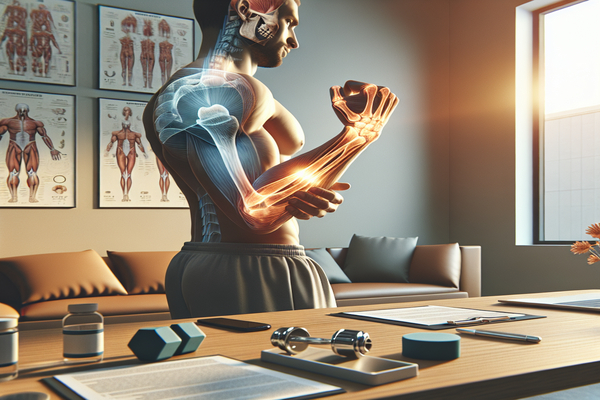
Shoulder health is vital for overall mobility and daily activities. At ARC Rehabilitation & Pilates in Ballina, Co. Mayo, we believe in empowering our patients with the knowledge and tools to assess and improve their shoulder strength from the comfort of their homes. In this article, we will explore effective shoulder strength tests that you can conduct at home to monitor your stability, which is especially beneficial if you're managing conditions such as rotator cuff tears, shoulder impingement, or general shoulder pain.
What Causes Shoulder Weakness?
Several factors can contribute to shoulder weakness, including:
- Injuries such as sprains or tears in the ligaments or muscles
- Chronic conditions like arthritis affecting shoulder joints
- Nerve damage which can disrupt muscle innervation
- Overuse injuries from repetitive motions—common in sports or occupational activities
Identifying the underlying cause of shoulder weakness is essential for treatment and rehabilitation. Regular strength assessments can help in tracking progress and effectiveness of intervention strategies.
How Can I Test Shoulder Strength at Home?
Here are three simple shoulder strength tests that you can perform safely at home:
1. Shoulder Flexion Test
This test evaluates the strength of the shoulder flexors. Here’s how to perform it:
- Stand or sit upright with your arms at your sides.
- Raise one arm straight up in front of you as far as possible. Keep the elbow straight.
- Observe the range of motion. If you can raise your arm to above 90 degrees without discomfort, that indicates adequate strength.
- Repeat with the opposite arm.
2. External Rotation Test
The external rotation test assesses the strength of the rotator cuff muscles, which are crucial for shoulder stability:
- Stand next to a wall with your elbow bent at 90 degrees against your side.
- Keep your elbow close to your body and rotate your forearm outward, away from your body.
- Try to perform three repetitions on each side. Weakness is indicated if you struggle to maintain elbow contact with your body during the movement.
3. Scapular Retraction Test
This test measures the strength and endurance of the upper back muscles:
- Stand upright and extend your arms straight in front at shoulder height with palms facing down.
- Pull your shoulder blades together and hold for five seconds.
- Repeat three times. Difficulty maintaining the contraction may indicate weakness in the scapular stabilizers.
How Can I Treat Weak Shoulders at Home?
If you identify any weakness during your assessments, consider implementing these evidence-based strategies:
- Strengthening Exercises: Incorporate resistance bands or light weights for exercises such as shoulder presses, lateral raises, and internal/external rotations.
- Stretching: Daily stretching of the shoulder muscles can enhance flexibility and reduce tension.
- Posture Correction: Maintaining good posture—especially during daily activities—can alleviate strain on shoulder muscles and joints.
- Rest and Ice: If you experience pain after testing, applying ice can help reduce inflammation. Ensure you rest the shoulder adequately to prevent further injury.
When Should I Consult a Professional?
If you experience persistent pain, significant weakness, or noticeable decreases in range of motion, it's time to seek professional help. Our team at ARC Rehabilitation & Pilates in Ballina, Co. Mayo, specializes in comprehensive assessments and individualized rehabilitation programs tailored for shoulder conditions.
Frequently Asked Questions (FAQ)
1. Can I perform these tests if I have a previous shoulder injury?
It’s advisable to consult with a healthcare professional before performing these tests if you have a history of shoulder injuries to avoid exacerbating the problem.
2. How often should I assess my shoulder strength at home?
Retesting shoulder strength every few weeks is recommended to monitor progress, especially after incorporating a strength training program.
3. What type of exercise is best for shoulder rehabilitation?
Low-impact resistance exercises, stretches, and functional movements are all beneficial. Always start with lighter loads and gradually increase as strength improves.
4. Are there signs that I should stop testing or exercising my shoulder?
If you experience severe pain, swelling, or any unusual symptoms, cease activity immediately and consult a healthcare provider.
5. How can I book an appointment at ARC Rehabilitation & Pilates?
You can easily book an appointment online through our booking link: Book Now.
Conclusion
Shoulder strength tests are an excellent way to monitor your shoulder health and track improvements in strength and mobility. Should you have further concerns or a need for a tailored rehabilitation plan, remember that the expert team at ARC Rehabilitation & Pilates in Ballina, Co. Mayo, is here to assist you. Our dedicated professionals specialize in helping you regain your strength and get back to the activities you love. Don't hesitate to book an appointment today!

Ask ARC Rehabilitation & Pilates And Their Team
Fill in the form to request a call from our team. One of our team members will call you for FREE and answer any questions or concerns you may have about your condition
Where To Find ARC Rehabilitation & Pilates
If you have any questions before scheduling an appointment or for general inquiries, please use the contact us button below. Our team will promptly reach out to assist you.
Opening Hours
Monday: 9:30am – 8:00pm
Tuesday: 9:30am – 8:00pm
Wednesday: 9:30am – 8:00pm
Thursday: 9:30am – 8:00pm
Friday: 9:30am – 1:00pm
Saturday: Closed
Sunday: Closed