Tips & Advice From ARC Rehabilitation & Pilates
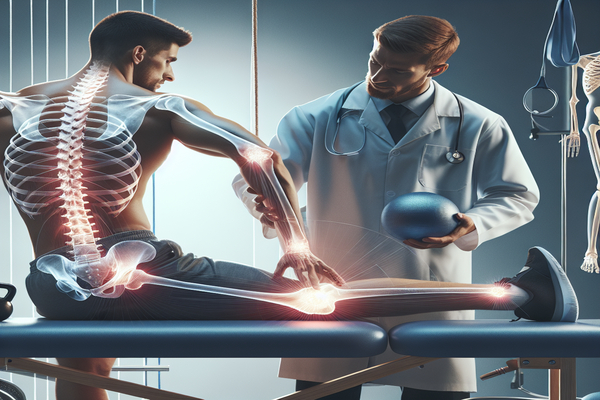
Managing Chronic Pain: Why Movement Is Often the Missing Piece
Introduction
Chronic pain affects millions of individuals, often leading to a significant reduction in their quality of life. At ARC Rehabilitation & Pilates in Ballina, Co. Mayo, we understand that managing chronic pain can be challenging. This article will explore why movement is often the missing piece in effective pain management. We'll look at how specific foot conditions contribute to pain and how you can incorporate movement into your daily routine for relief.
What Causes Chronic Pain?
Chronic pain may arise from various sources, including:
- Foot Conditions: Conditions such as plantar fasciitis, Achilles tendinitis, and bunions can significantly contribute to chronic pain.
- Nerve Damage: Neuropathic pain, often resulting from conditions like diabetes or sciatica, can lead to persistent discomfort.
- Injuries: Past injuries, even if healed, can cause ongoing pain due to changes in how we move.
- Inflammatory Conditions: Conditions like arthritis can cause joint pain and stiffness, affecting mobility.
Why Movement Matters for Pain Management
Many people associate rest with recovery; however, movement plays a critical role in managing chronic pain. Here’s why:
- Improved Blood Flow: Regular movement enhances circulation, delivering essential nutrients and oxygen to affected areas, accelerating healing.
- Pain Reduction: Movement can trigger the release of endorphins, natural pain-relieving hormones that can diminish the sensation of pain.
- Increase Mobility: Engaging in physical activities helps maintain and improve flexibility and range of motion, which can be particularly beneficial for patients with foot-related conditions.
- Mental Health Benefits: Physical activity reduces stress, anxiety, and depression, all of which can intensify the perception of pain.
How Can I Treat Chronic Pain with Movement?
Implementing a movement-based approach to managing chronic pain can be achieved through the following strategies:
1. **Pilates and Controlled Movements**
Pilates focuses on strengthening core muscles while promoting flexibility and controlled movement. At ARC Rehabilitation & Pilates, our specially designed classes can cater to various pain conditions, emphasizing safe practices for your specific needs.
2. **Strength Training**
Building strength in the feet and legs can help support the body and alleviate pain caused by conditions like plantar fasciitis or Achilles tendinitis. Targeted exercises can be introduced under professional guidance to ensure safety and effectiveness.
3. **Regular Stretching**
Incorporating stretching into your daily routine can promote flexibility and reduce stiffness. Aim to stretch both before and after physical activities, especially focusing on the calves, hamstrings, and arches of the foot.
4. **Low-Impact Aerobic Exercises**
Activities such as swimming, cycling, or walking can maintain cardiovascular fitness without exacerbating pain. Consult with your podiatrist to determine suitable low-impact alternatives that align with your condition.
How Can Podiatry Help Manage Chronic Pain?
Consulting a podiatrist can provide essential insights into the relationship between foot health and chronic pain. A podiatrist can:
- Conduct a Comprehensive Exam: Assess your posture, gait, and movement patterns to identify contributing factors to your pain.
- Recommend Orthotics: Custom orthotics can provide support, reduce pressure, and correct imbalances that contribute to pain.
- Create a Tailored Exercise Plan: A podiatrist can develop a personalized movement program that addresses your specific conditions and pain levels.
FAQs About Managing Chronic Pain Through Movement
1. Is movement always beneficial for chronic pain?
While movement is essential for recovery, it should be adapted to each individual's condition. Consulting a healthcare provider can help establish an appropriate plan.
2. Can Pilates help with chronic foot pain?
Yes, Pilates can enhance strength, flexibility, and posture while providing a low-impact method of managing pain associated with foot conditions.
3. How often should I exercise if I have chronic pain?
Aim for at least 150 minutes of moderate aerobic activity weekly, as recommended by health authorities, but start slowly and increase intensity based on your comfort level.
4. What types of stretches are beneficial for chronic foot pain?
Stretching the Achilles tendon, calf muscles, and plantar fascia can be particularly helpful. Always perform stretches gently, without bouncing.
5. How can I find the right podiatrist for my needs?
Look for a podiatrist specializing in chronic pain management and rehabilitation, and seek recommendations or reviews from trusted sources.
Conclusion
Managing chronic pain is multifaceted, but movement often plays a pivotal role in effective treatment. At ARC Rehabilitation & Pilates in Ballina, Co. Mayo, we are dedicated to helping you find relief through personalized movement strategies tailored to your needs. Don’t let chronic pain hold you back — start your journey toward recovery today. Book an appointment now and take the first step toward a pain-free life.

Ask ARC Rehabilitation & Pilates And Their Team
Fill in the form to request a call from our team. One of our team members will call you for FREE and answer any questions or concerns you may have about your condition
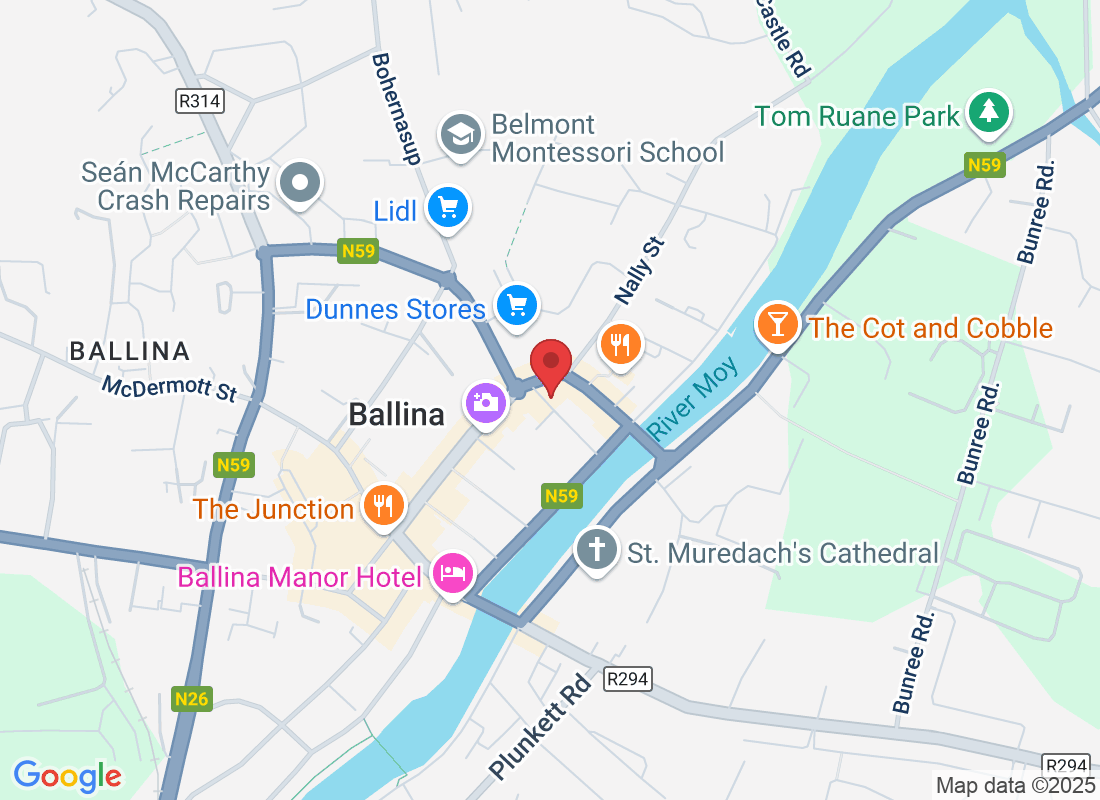
Where To Find ARC Rehabilitation & Pilates
If you have any questions before scheduling an appointment or for general inquiries, please use the contact us button below. Our team will promptly reach out to assist you.
Opening Hours
Monday: 9:30am – 8:00pm
Tuesday: 9:30am – 8:00pm
Wednesday: 9:30am – 8:00pm
Thursday: 9:30am – 8:00pm
Friday: 9:30am – 1:00pm
Saturday: Closed
Sunday: Closed