Tips & Advice From ARC Rehabilitation & Pilates
Disc Bulge vs. Sciatica: A Ballina Guide to Understanding Your Back Pain
Understanding Disc Bulge and Sciatica: Key Insights for Back Pain Relief
If you're experiencing back pain in Ballina, Co. Mayo, you may have heard the terms "disc bulge" and "sciatica" tossed around. At ARC Rehabilitation & Pilates, we recognize that understanding these conditions is crucial to effective management and recovery. In this guide, we’ll clarify what these terms mean, what causes them, and how you can find relief.
What is a Disc Bulge?
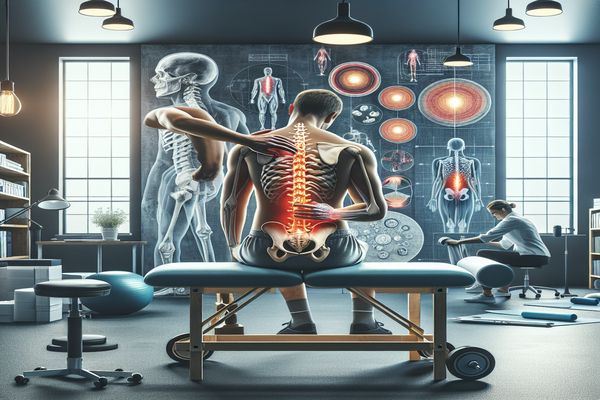
A disc bulge occurs when one of the intervertebral discs in your spine protrudes beyond its normal boundary due to degeneration or injury. The discs serve as cushions between the vertebrae, and when they bulge, they can press against nearby nerves, leading to pain and other symptoms.
What Causes a Disc Bulge?
- Aging: Over time, the discs lose hydration and flexibility, making them more susceptible to injury.
- Injury: Trauma from lifting heavy objects or sudden twisting movements can lead to a bulging disc.
- Genetics: Some individuals may be genetically predisposed to spinal disc issues.
- Poor Posture: Maintaining prolonged poor posture can place extra pressure on the discs.
What is Sciatica?
Sciatica is not a condition but rather a symptom caused by irritation or compression of the sciatic nerve, which runs from your lower back down through your hips and buttocks, and extends into each leg. Sciatica typically manifests as pain, numbness, or tingling in the lower back and legs.
What Causes Sciatica?
- Herniated Discs: A common cause of sciatic nerve irritation is a herniated or bulging disc.
- Bone Spurs: These bony growths on vertebrae can compress the sciatic nerve.
- Spinal Stenosis: Narrowing of the spinal canal can lead to nerve compression.
- Spondylolisthesis: This condition occurs when a vertebra slips out of place, putting pressure on the sciatic nerve.
How are Disc Bulges and Sciatica Diagnosed?
Diagnosis typically involves a combination of patient history, physical exams, and imaging tests such as MRI or CT scans. At ARC Rehabilitation & Pilates, our professionals will conduct a thorough evaluation to pinpoint the exact cause of your pain, ensuring an accurate diagnosis and tailored treatment plan.
How Can I Treat a Disc Bulge or Sciatica?
While specific treatment plans vary based on individual conditions, some effective management strategies include:
- Physical Therapy: Targeted exercises can strengthen the back and core muscles, promoting better spinal alignment.
- Medications: Anti-inflammatory medications can help reduce pain and swelling.
- Chiropractic Care: Manual adjustments can alleviate pressure on affected nerves.
- Massage Therapy: This can improve circulation and reduce muscle tension.
- Pilates: Alongside rehabilitation, Pilates can enhance flexibility, strength, and posture, reducing the likelihood of recurrence.
When Should I See a Podiatrist for Back Pain?
While podiatrists primarily focus on foot and lower extremity issues, understanding the link between foot and back health is crucial. If you notice persistent lower back pain, especially when standing or walking, it might be beneficial to assess your foot mechanics, as improper alignment can contribute to back pain. Schedule an appointment at ARC Rehabilitation & Pilates to explore how your feet may be affecting your back health.
Frequently Asked Questions (FAQ)
1. Can a disc bulge heal on its own?
Yes, many cases of disc bulge can resolve over time with conservative treatment and lifestyle changes.
2. Is sciatica a permanent condition?
No, most individuals experience improvement with appropriate treatment, although recurrence is possible.
3. What are the risk factors for developing a disc bulge?
Risk factors include age, obesity, physically demanding jobs, and genetics.
4. How can I prevent disc bulges and sciatica?
Maintaining a healthy weight, practicing good posture, and engaging in regular exercise can significantly reduce your risk.
5. What exercises should I avoid if I have back pain?
High-impact activities, heavy lifting, and prolonged sitting should be avoided, as they can exacerbate pain. Always consult with a healthcare professional before beginning any exercise program.
Conclusion
Disc bulge and sciatica can significantly impact your quality of life, but understanding these conditions is the first step toward effective management. At ARC Rehabilitation & Pilates in Ballina, Co. Mayo, our team is dedicated to helping you navigate your back pain with evidence-based treatment options tailored to your needs. If you're ready to take the next step in your recovery journey, book your appointment today!

Ask ARC Rehabilitation & Pilates And Their Team
Fill in the form to request a call from our team. One of our team members will call you for FREE and answer any questions or concerns you may have about your condition
Where To Find ARC Rehabilitation & Pilates
If you have any questions before scheduling an appointment or for general inquiries, please use the contact us button below. Our team will promptly reach out to assist you.
Opening Hours
Monday: 9:30am – 8:00pm
Tuesday: 9:30am – 8:00pm
Wednesday: 9:30am – 8:00pm
Thursday: 9:30am – 8:00pm
Friday: 9:30am – 1:00pm
Saturday: Closed
Sunday: Closed